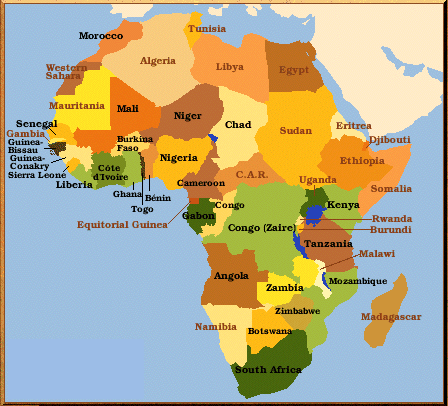
South Africa is facing its most severe diplomatic crisis since the end of apartheid as neighboring nations threaten unprecedented retaliatory measures following a violent surge in xenophobic attacks.
The latest wave of unrest, which erupted between April 27 and 29, 2026, across Pretoria and Johannesburg, has seen local protesters target foreign nationals—specifically Nigerians—over unsubstantiated claims regarding crime and labour competition.
While borders remain officially open, the region is bracing for a “diplomatic fallout” characterized by threats of trade suspensions, blockades, and heightened security checks from outraged African allies.
In Abuja, the Nigerian government has moved beyond rhetoric, officially summoning South Africa’s High Commissioner to demand concrete protections for its citizens.
With 130 Nigerians already registered for voluntary repatriation as of May 3, the Ministry of Foreign Affairs reminded Pretoria of Nigeria’s historical sacrifices during the anti-apartheid struggle.
Spokesperson, Kimiebi Ebienfa, warned that the government is prepared to explore “stricter measures” if the hostility persists, emphasizing that the solidarity of the liberation era is being betrayed by the current violence.
The tension has rapidly spread across the continent, with Ghana joining the diplomatic pushback. Accra recently summoned South Africa’s acting High Commissioner, Thando Dalamba, following viral footage of a Ghanaian national being harassed by vigilante groups in KwaZulu-Natal.
Ghanaian officials have signaled they are coordinating with regional bodies to address the crisis, stating clearly that they will no longer tolerate the systematic intimidation of their nationals within South African borders.
Further east, Tanzania has emerged as one of the most vocal critics, with President Samia Suluhu reportedly issuing a 48-hour ultimatum for South African citizens to leave the country.
In a stern address, she ordered the immediate suspension of all air and maritime trade, accusing Pretoria of having a short memory regarding the support it received during its own fight for independence.
Simultaneously, Botswana has signaled its intent to use economic leverage, with President Duma Boko suggesting that Gaborone may seal land borders and restrict electricity supplies in response to the “humiliation” of Batswana nationals.
As Mozambique considers shuttering the vital Ressano Garcia trade corridor, the economic stakes for the region have reached a breaking point.
While President Cyril Ramaphosa has condemned the attacks as “criminal and unlawful,” his administration is under immense pressure to move beyond verbal denunciations.
With over 118 Nigerians reportedly killed in xenophobic incidents over the last decade, regional leaders are unified in their demand: South African rhetoric must finally be replaced by the physical protection of foreign lives and property.