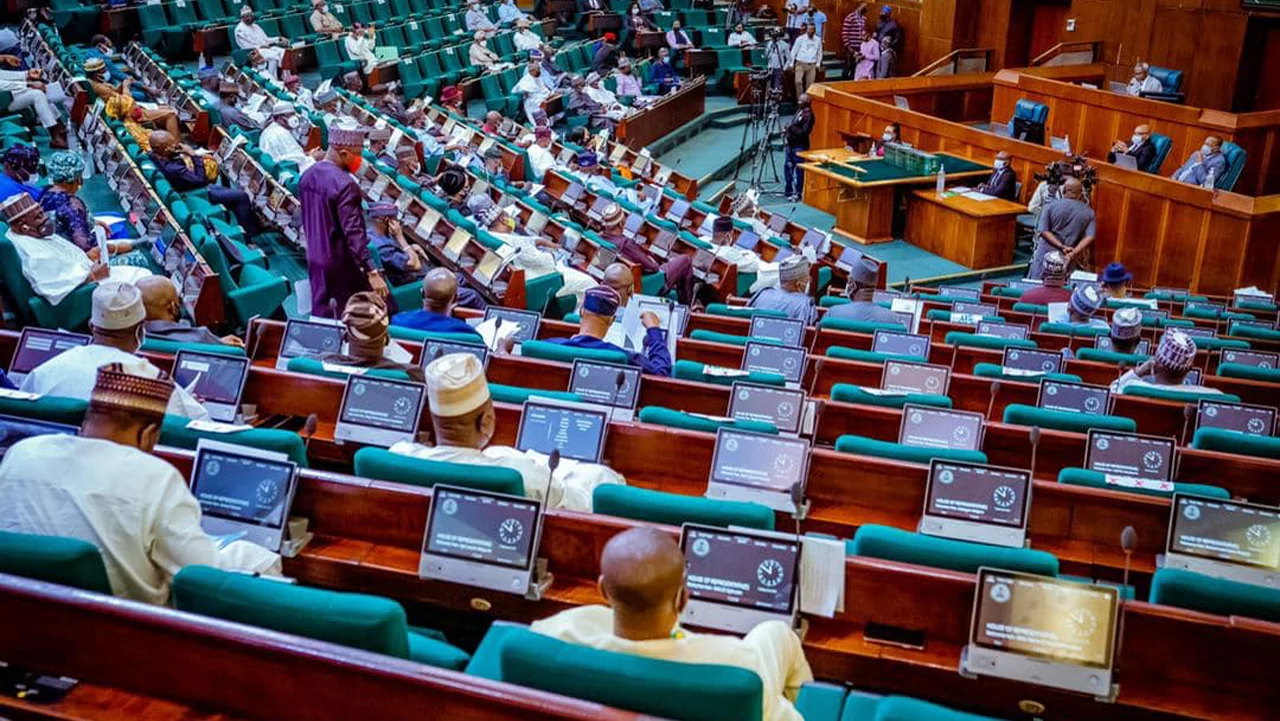
The House of Representatives has commenced the consideration of a landmark bill aimed at establishing a comprehensive national framework for the regulation and control of alcohol in Nigeria.
Sponsored by Oluwatimehin Adelegbe, Chairman of the House Adhoc Committee on Drug Trafficking, Tobacco and Alcohol Abuse, the proposed legislation—titled the “Alcohol-Related Harm Control and Reduction Bill”—has successfully passed its first reading.
The bill seeks to oversee the production, importation, and marketing of alcohol, with a primary focus on strengthening public health governance and protecting minors from the risks of early exposure.
Emphasizing that the move is not a call for prohibition, Honorable Adelegbe described the initiative as a “timely legislative intervention” designed to address the socio-economic and health challenges of alcohol misuse.

He noted that the framework is built on evidence-based policies intended to foster industry accountability while safeguarding Nigeria’s youth.
The bill was developed through extensive dialogue with government agencies, civil society, and alcohol manufacturers to ensure a balanced approach to national development and public safety.
Technical support for the drafting process was provided by A New Thing International Foundation, led by Ambassador Kenneth Anetor.
Serving as the lead consultant to the House Committee, Anetor highlighted that the legislation represents a strategic shift from reactive measures to preventive systems.
By aligning Nigeria with global best practices, the bill aims to introduce stricter marketing regulations and data-driven enforcement strategies that allow for responsible industry participation without compromising the well-being of the citizenry.
As the bill progresses, the House Committee has extended an invitation to stakeholders, including industry players, NGOs, and international development partners, to engage in upcoming public hearings.
Adelegbe stressed that this collaborative process is essential for shaping sustainable regulations. If passed, the law would position Nigeria as a leader in African public health policy, signaling a renewed commitment to working with global health institutions to curb alcohol-related harm.