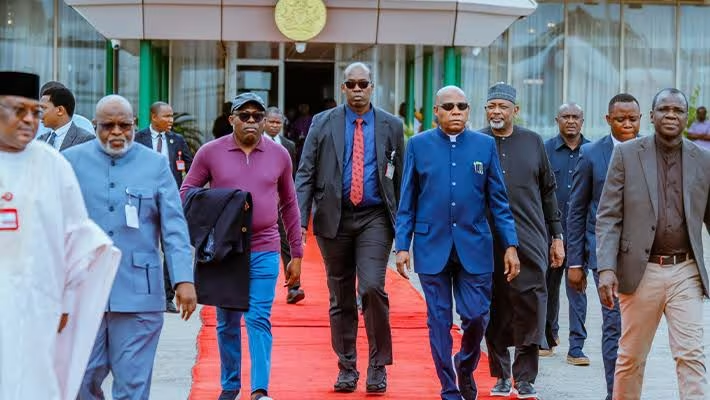
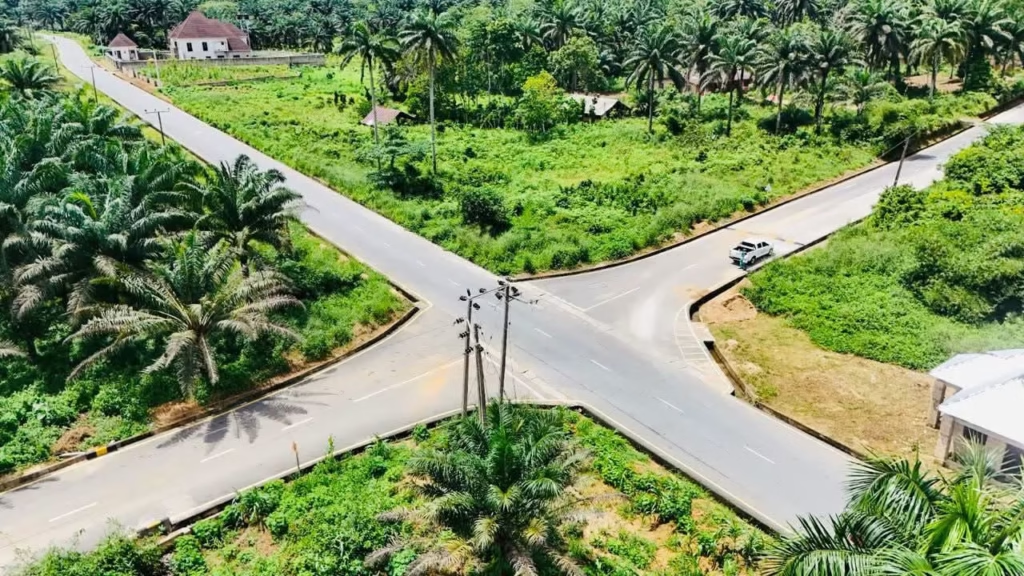
Akwa Ibom State Governor, Umo Eno, has further solidified his administration’s commitment to rural transformation with the official commissioning of the 11km Owot Uta-Nung Oku-Edeobom road.
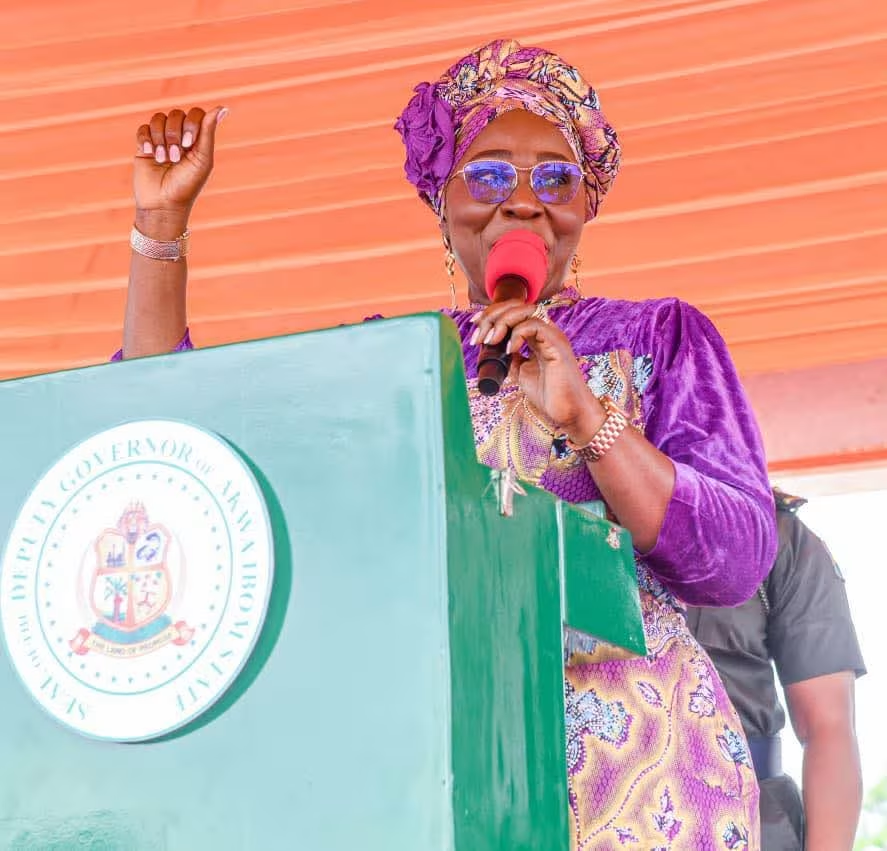
Representing the Governor, Deputy Governor, Senator Akon Eyakenyi, inaugurated the project, which links Ibesikpo Asutan and Nsit Ibom Local Government Areas. The road is a strategic component of the state’s ARISE Agenda, aimed at opening up rural corridors to stimulate economic growth and ease the transportation of agricultural produce.
The project was executed in partnership with the World Bank and the French Development Agency under the Rural Access and Agricultural Marketing Project (RAAMP).
During the ceremony, Senator Eyakenyi highlighted that this road was among the first to be flagged off following Governor Eno’s inauguration, signaling a fast-tracked approach to infrastructure.
She emphasized that the administration’s reach is comprehensive, noting that over 1,300 kilometers of roads and 40 bridges have already been constructed across the state’s three senatorial districts.
Stakeholders and development partners praised the state’s proactive approach. Mrs. Anna Bjerde, representing the World Bank Country Director, and Engr. Aminu Bodinga Mohammed, the National Coordinator of RAAMP, both commended Akwa Ibom for its readiness and commitment, noting that the state emerged as a leader among participating regions.
The Commissioner for Agriculture, Dr. Offiong Offor, added that the new road is a “major step” toward an agricultural revolution, as it significantly reduces transportation costs for rural farmers heading to urban markets.
Local leaders and residents expressed deep gratitude, describing the project as a fulfillment of campaign promises that once seemed impossible. The Chairmen of Ibesikpo Asutan and Nsit Ibom, Evans Edidiong Inyang and Mrs. Otobong Aaron, respectively, pledged their continued loyalty to the administration, citing the visible impact on political inclusion and economic vitality.
Traditional rulers from the benefiting communities echoed these sentiments, affirming that the newfound peace and accessibility would foster long-term prosperity for their people.