The Nigerian Senate on Tuesday firmly rejected calls to nationalize South African-owned corporations operating within the country, including telecom giant MTN and broadcaster DStv, as a retaliatory measure against ongoing xenophobic attacks on Nigerians in South Africa.
While strongly condemning the renewed hostilities, the Upper Chamber resisted aggressive economic reprisals, opting instead to urge the Federal Government to intensify diplomatic interventions and ensure the absolute protection of its citizens residing abroad.
The legislative resolutions followed a motion titled “Motion on the Need to Halt the Recurring Xenophobic Attacks and Intimidation Against Nigerians and Other African Nationals in the Republic of South Africa,” sponsored by Senator Asuquo Ekpenyong (APC, Cross River South).
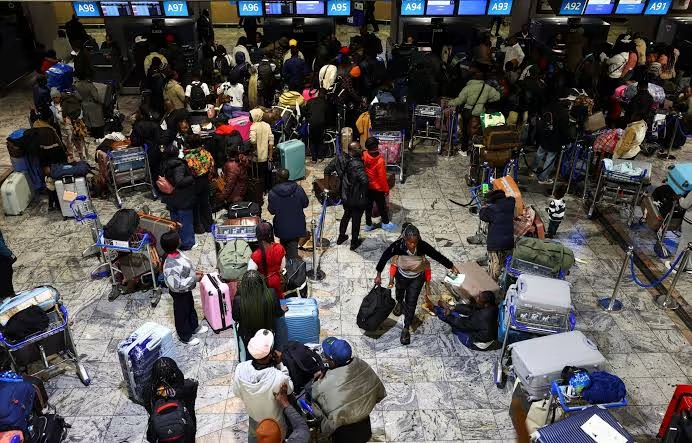
The motion was prompted by a fresh wave of violence and systemic profiling triggered by the expiration of a June 30, 2026, eviction ultimatum unlawfully imposed on foreign nationals by South African vigilante groups.
Lawmakers noted with grave concern that the intimidation has expanded beyond undocumented migrants to target lawful Nigerian residents holding valid visas and work permits.
During a heated debate, Senator Eshilokun Wasiu (APC, Lagos Central) advocated for the nationalization of South African assets, while Senator Adams Oshiomhole (APC, Edo North) strongly proposed appropriating the profits of South African companies in Nigeria to compensate victims, citing reports that Pretoria might deny restitution.
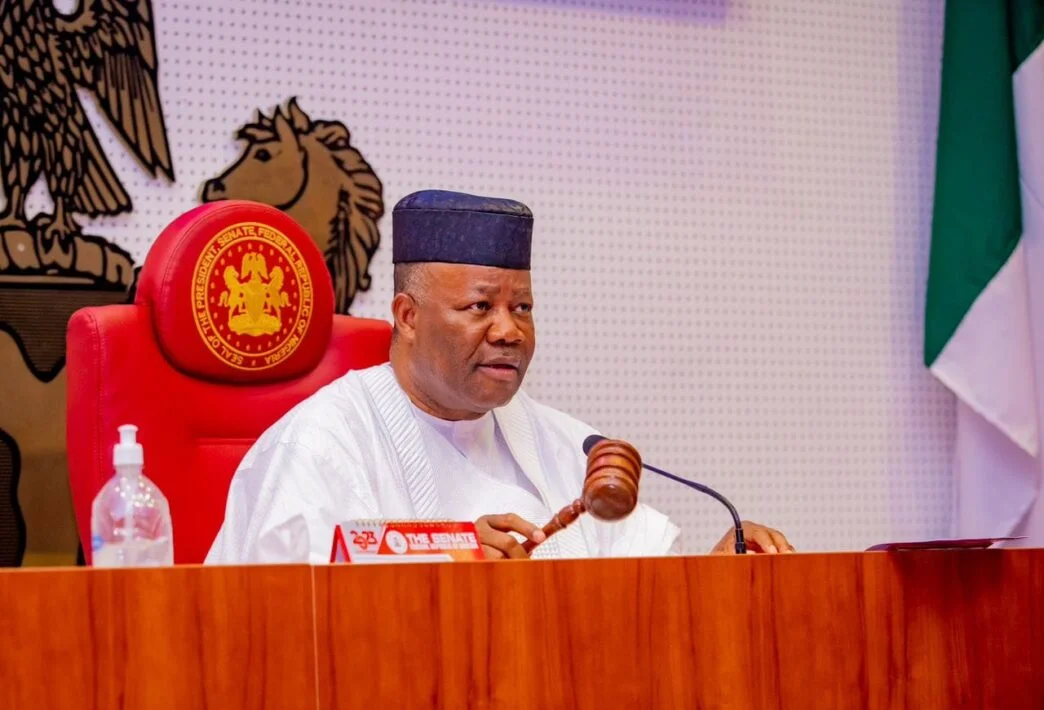
However, the presiding Deputy Senate President, Barau Jibrin, swiftly shut down the aggressive proposals, counseling the house against reactionary policies driven by unverified social media reports. Jibrin emphasized that while the failure to protect innocent lives is inexcusable, Nigeria must maintain its commitment to the rule of law and diplomatic engagement.
Consequently, the Senate handed its Committee on Foreign Affairs a strict two-week ultimatum to submit a comprehensive report on the situation to guide definitive legislative action.
Furthermore, the Upper Chamber directed the Ministry of Foreign Affairs, the Nigerians in Diaspora Commission (NiDCOM), and the Nigerian High Commission in South Africa to demand written security assurances from the South African government, seek the immediate prosecution of the perpetrators, and establish a verified register of affected Nigerians to facilitate legal redress and compensation.
In his presentation, Senator Ekpenyong underscored the historical irony of the current hostility, reminding the chamber of Nigeria’s immense financial, diplomatic, and moral sacrifices during South Africa’s anti-apartheid liberation struggle.
Highlighting that South African businesses continue to operate safely and profitably across Nigeria, the Senate called on the Federal Government to collaborate with the African Union to establish an effective early warning and accountability mechanism to permanently eradicate xenophobic violence on the continent.