
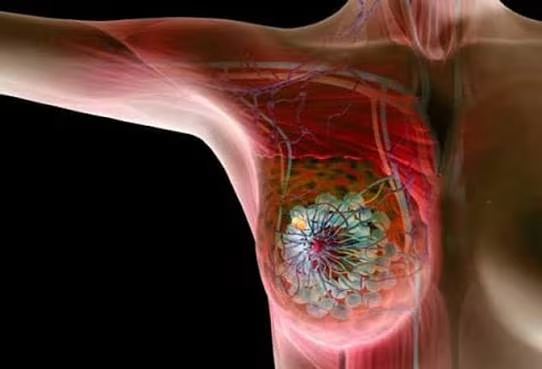
Medical experts have delivered a powerful message of reassurance to women across the country, emphasizing that a breast cancer diagnosis is far from an automatic death sentence.
Speaking on XL FM’s Super Breakfast Show, two leading specialists from the University of Uyo Teaching Hospital (UUTH)—Consultant Surgical Oncologist Dr. Israel Ben and Consultant Breast Surgeon Dr. Isaac Udo—stressed that cancer fundamentally refers to abnormal cellular growth, which becomes remarkably manageable when caught in its earliest stages.
The experts highlighted the starkly different paths patients take following a diagnosis, noting that while some individuals successfully complete modern medical treatments, others turn to traditional remedies instead.
Unfortunately, many willing patients find themselves critically hindered by severe financial constraints and a lack of accessible medical facilities.
Overcoming these economic and infrastructural barriers remains one of the greatest challenges in improving regional survival rates.
Addressing preventative care directly, Dr. Udo advised women to perform thorough monthly breast self-examinations exactly one week after their menstrual cycle ends.
He reminded listeners not to overlook the axilla or armpit region, noting that breast tissue naturally extends into this area.
Furthermore, he warned that severe breast pain occurring after a menstrual cycle may stem from hormonal overstimulation, signaling a clear need for close medical monitoring.
Expanding on diagnostic awareness, the surgeon outlined critical warning signs of breast cancer that individuals must actively monitor, advising immediate professional evaluation if any physical abnormality is detected.
Dr. Udo also cautioned against relying solely on mammograms, with Dr. Ben expressing parallel concern that many women bypass other essential diagnostic procedures. This selective approach often leads to dangerously delayed treatment timelines.
In a striking turn toward environmental health hazards, the specialists issued stern warnings regarding dangerous local practices.
They cautioned the public against using burning tires to singe meat and chemical carbides to artificially ripen fruits.
Highlighting both habits as hazardous, carcinogenic drivers deeply embedded in parts of Nigeria, the experts called for immediate behavioral changes to reduce toxic daily exposures.
Concluding the broadcast, the specialists reiterated that public education and proactive health habits remain the strongest shields against mortality.
By combining routine clinical screenings, self-examinations, and the avoidance of environmental carcinogens, women can drastically shift the narrative surrounding breast cancer from fear to empowerment and successful recovery.