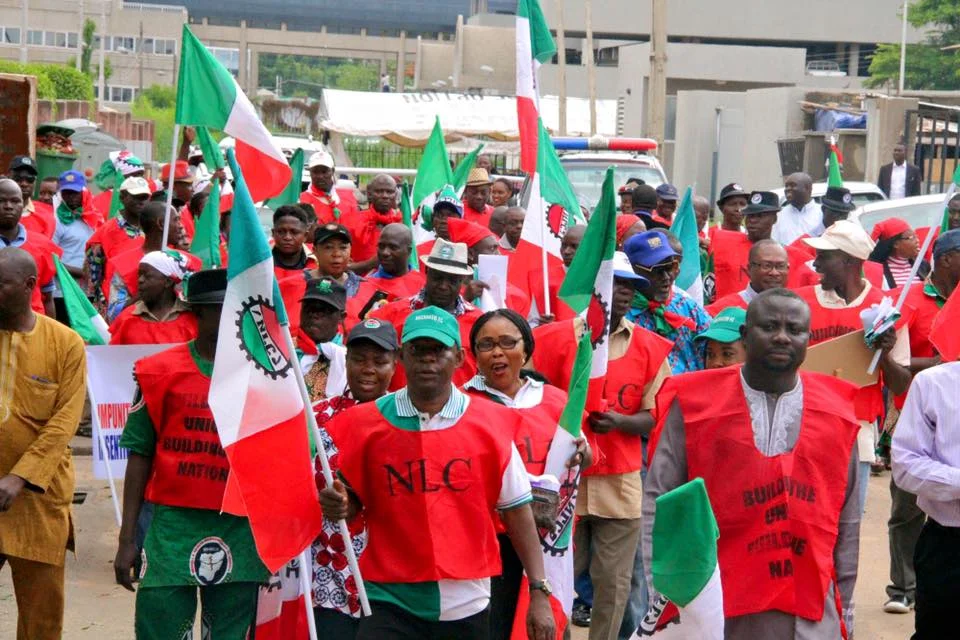
The Nigeria Labour Congress (NLC) has warned that Nigerian workers remain under severe economic strain despite the recent implementation of the ₦70,000 national minimum wage, insisting that its two-week ultimatum to the Federal Government over soaring petrol prices and fresh wage negotiations remains fully in force.
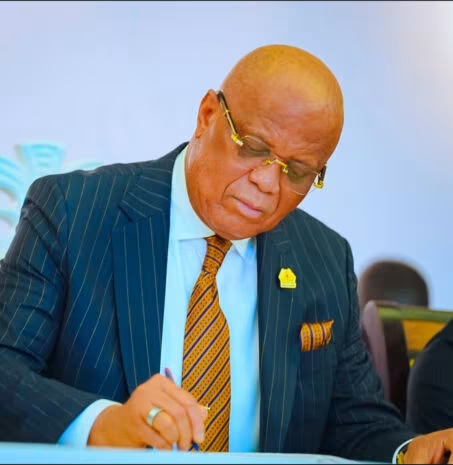
Speaking on Monday at a retreat organized by the National Salaries, Incomes and Wages Commission (NSIWC) in Abuja, NLC President Joe Ajaero criticized the recent salary adjustments, arguing that the flat ₦40,000 added to federal public servants’ pay failed to reflect the touted percentage increases and has been rapidly eroded by relentless inflation and transportation costs.
Ajaero urged the government to adopt a proactive approach to economic relief rather than waiting for union-led strikes or street protests to force intervention.
Dismissing claims that organized labour was being manipulated by political interests as insulting, the NLC leader emphasized that declining purchasing power has left basic food and commuting unaffordable for average households.
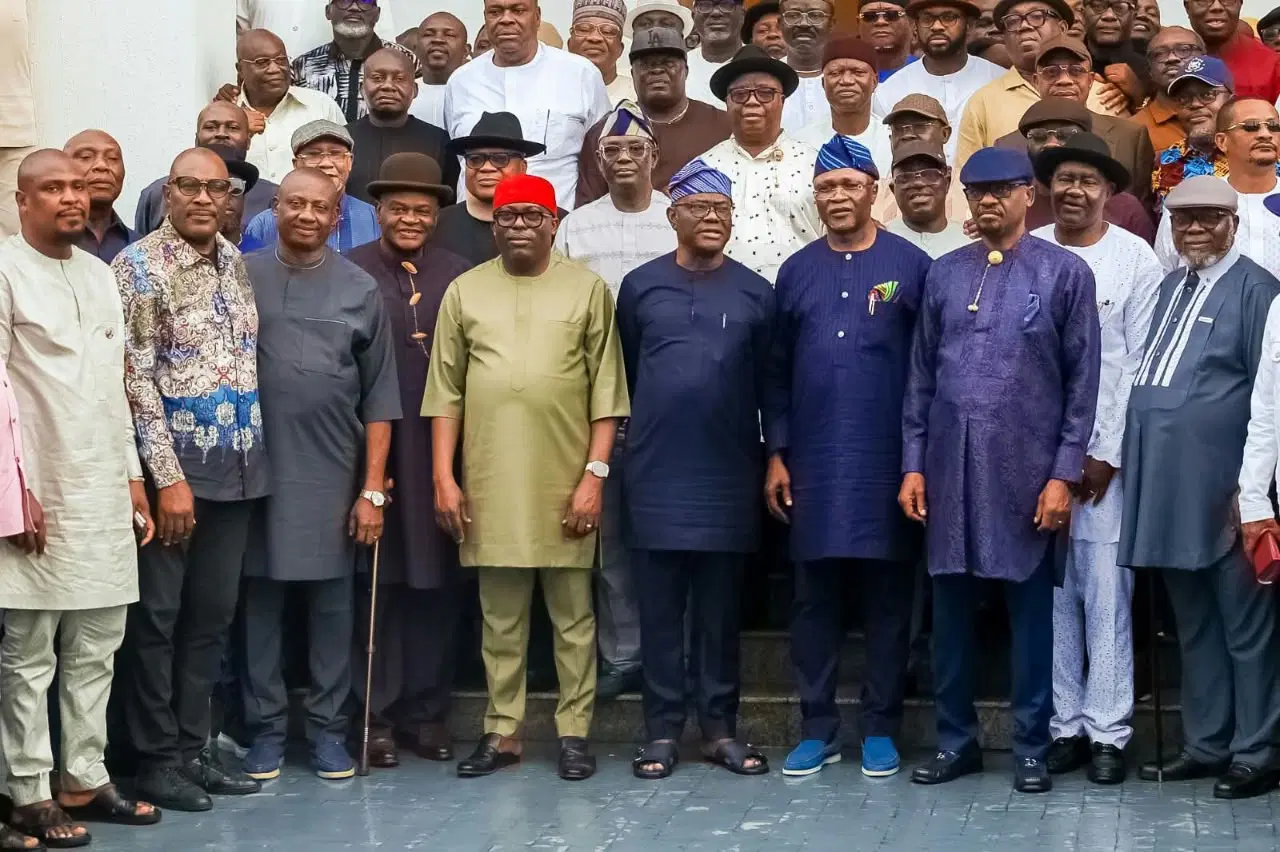
He clarified that while union leaders were participating in the retreat to contribute to discussions on sustainable wage administration, the event was not the appropriate forum to negotiate the pending ultimatum.
In response, the Federal Government appealed for a balanced approach that weighs workers’ welfare against national public finances.
Represented by Dr. Abubakar Kana, Permanent Secretary of the General Services Office, the Secretary to the Government of the Federation (SGF), George Akume, called for industrial harmony and urged the NSIWC to anchor wage recommendations on credible economic data.
Akume warned against avoidable industrial disputes, emphasizing that ongoing economic reforms and broader national development goals require a sustainable, fair compensation framework.
Leadership from the wages commission and the civil service echoed the need to transition away from reactive, emergency wage reviews toward data-driven, long-term policy structures. Chairman Junaidu Bindawa and Secretary Olajumoke Okoya-Thomas of the NSIWC stressed that inflationary pressures require continuous strategic evaluation to maintain a productive public service.
Concurrently, the Head of the Civil Service of the Federation, Abel Enitan, highlighted that ongoing public sector modernization and end-to-end digitization are essential to building a well-equipped workforce capable of driving the nation’s broader economic objectives.
The sharp exchange highlights a deepening divide between organized labour and government authorities as both sides struggle to reconcile the urgent cost-of-living crisis with fiscal realities.
With unresolved grievances lingering across multiple sectors—including unresolved issues from previous health sector strikes—pressure continues to mount on the Federal Government to initiate meaningful dialogue and prevent widespread industrial action.