
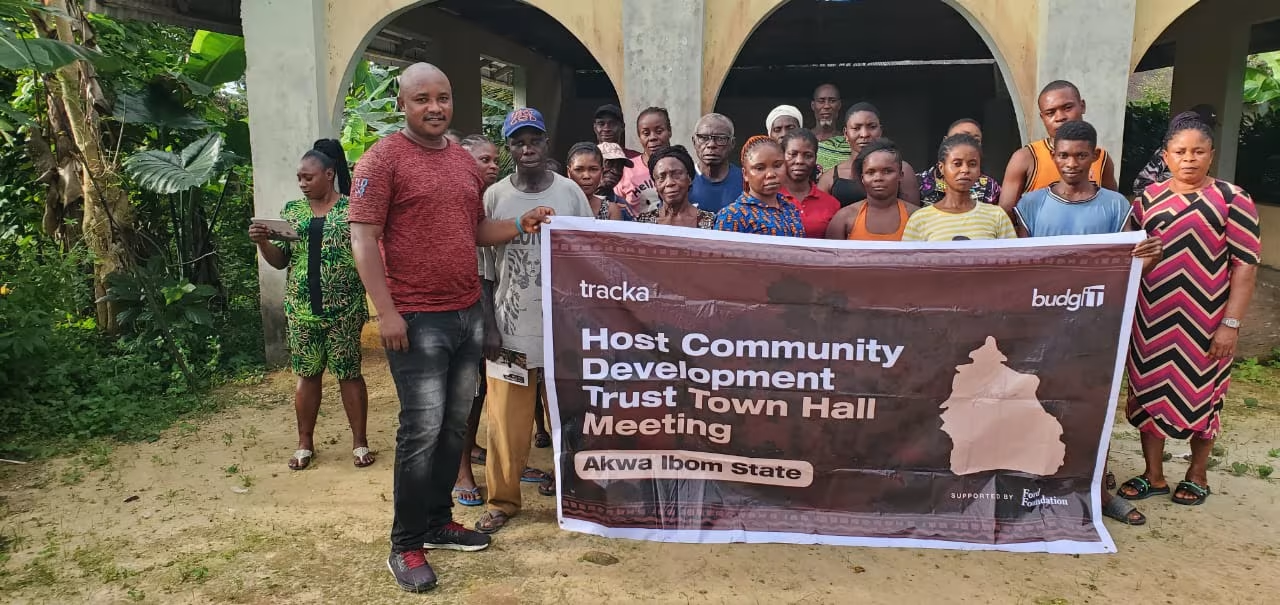
A recent sensitization exercise held in Osiok, Eket Local Government Area of Akwa Ibom State, brought together 27 community members, including women, youths, and persons with disabilities, to unpack the Host Community Development Trust (HCDT).
Organized to bridge a critical information gap, the session familiarized residents with the Petroleum Industry Act (PIA) 2021, particularly Section 240, which mandates oil companies to contribute 3% of their annual operating expenditure to host and affected communities.
Participants learned that these funds are divided into a 20% community investment fund, a 75% capital budget, and a 5% administrative allocation.
Despite hosting petroleum infrastructure for over a decade and a half, residents revealed that the session was their very first introduction to the HCDT.
Multiple participants stated they had never known about the trust nor witnessed any oil company intervention, despite oil pipelines running through or past the area for more than 15 years.
Community members noted that while active oil wells and major operations are situated in the neighbouring community of Ebe Ekpi, Osiok residents remain unaware of any dedicated HCDT account or mechanism established for their direct benefit.
The interactive forum exposed severe environmental and infrastructural challenges stemming from prolonged petroleum activities in the region.
Elder John Friday Akpan reported that local streams have become polluted and that operations have shortened the lifespan of roofing sheets, while drilling vibrations cause houses to shake and walls to crack.
He also raised serious concerns regarding air pollution and the lack of proper reporting channels for residents seeking health redress.
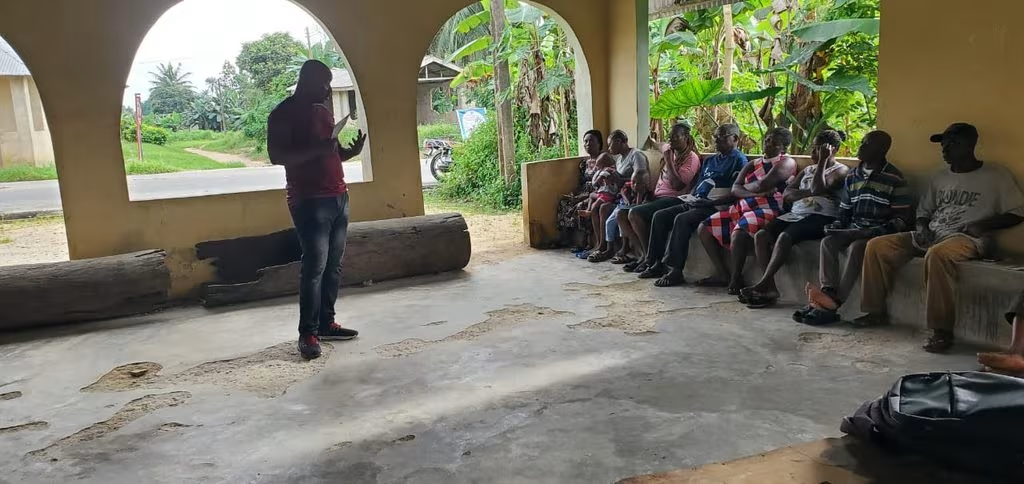
Echoing these health and livelihood fears, pregnant resident Mrs. Victoria Anitie Friday shared that the intense heat associated with nearby oil and gas operations has triggered persistent skin rashes and nocturnal breathing difficulties.
She expressed deep anxiety over the environmental impacts on her unborn child, compounded by limited local healthcare access.
Additionally, farmers reported that agricultural productivity has suffered, leading to significantly reduced harvests across several households.
The dialogue emphasized that the HCDT must serve as more than just a financial tool, urging community members to actively participate in prioritizing development projects and demanding transparency.
The meeting underscored the urgent need for robust grievance-redress mechanisms to tackle systemic environmental degradation and infrastructure damage.
Organizers stressed that community empowerment and active engagement are essential for holding stakeholders accountable.
Concluding the exercise, participants committed to remaining organized and closely monitoring the management of resources intended for their development.
The sensitization marked a vital foundational step in helping Osiok residents understand their legal rights under the PIA, transforming passive endurance of industrial impacts into informed, proactive community advocacy.