
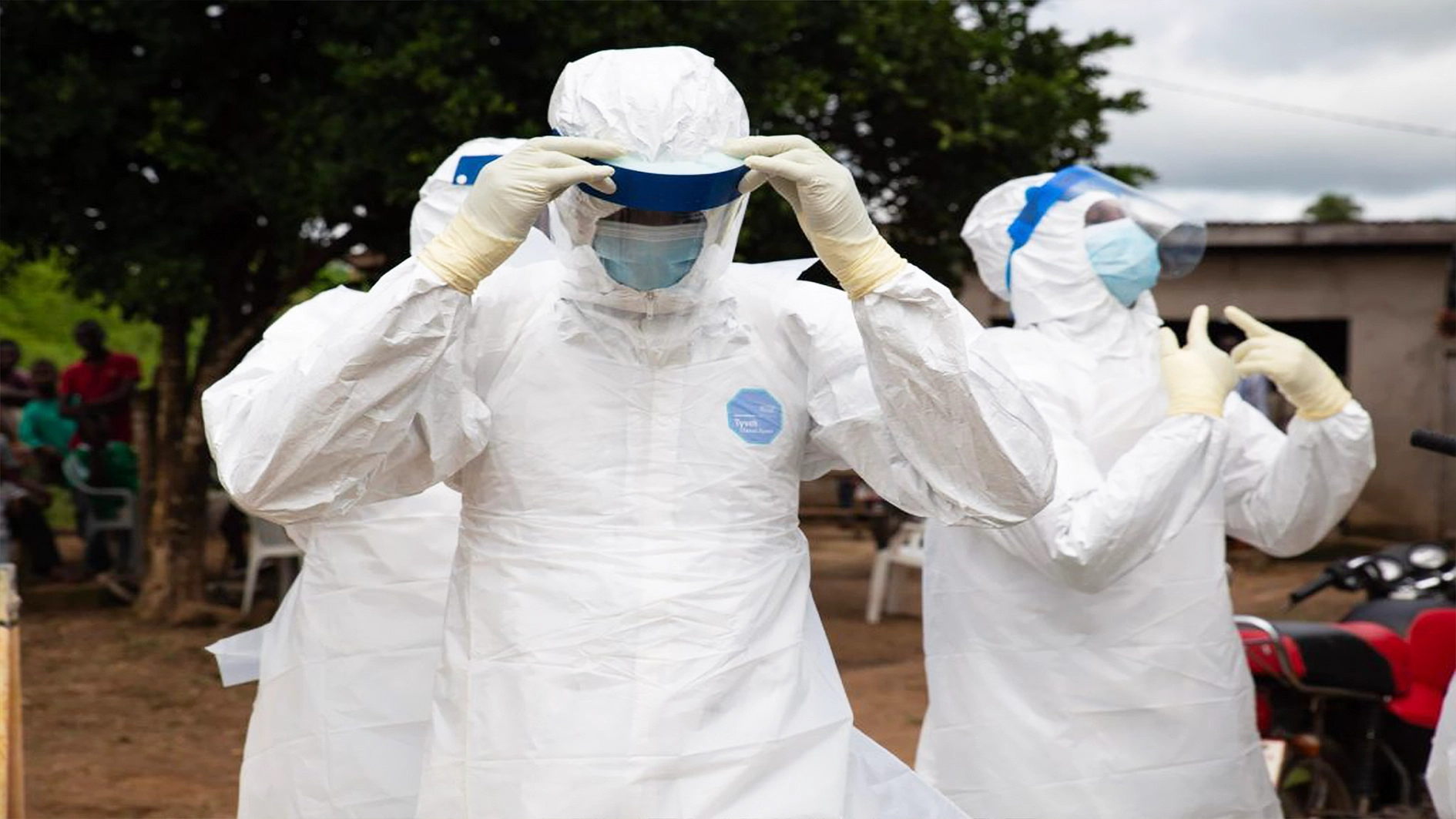
The Federal Government has initiated extensive contact tracing after laboratory tests confirmed a suspected imported case of Ebola disease in the Federal Capital Territory (FCT).
Coordinating Minister of Health and Social Welfare, Professor Muhammad Ali Pate, announced the development following laboratory confirmation on Tuesday, October 20, 2026.
According to official reports, the patient is a female traveler who recently arrived in Nigeria on an international flight from Uganda and sought medical attention at a private FCT hospital before the diagnosis was established.
She has since been moved to an isolation facility, where she is currently receiving specialized medical care.
Public health teams have successfully identified and placed 44 close contacts under active monitoring.
The individuals being tracked include healthcare workers, fellow patients, caregivers, and other contacts who may have crossed paths with the patient during her journey and subsequent hospitalization.
In response to the development, federal health authorities, the Nigeria Centre for Disease Control and Prevention (NCDC), and the FCT Health Services Secretariat have deployed a multi-agency containment strategy to monitor exposure networks and prevent community transmission.
The Ministry has intensified nationwide disease surveillance and is providing direct support to the treating hospital to reinforce infection prevention and control (IPC) protocols.
Professor Pate strongly urged all individuals identified during the contact tracing process—including relevant airline passengers—to fully cooperate with public health officers, provide accurate information, and adhere strictly to medical guidance.
Furthermore, public and private healthcare facilities across the country have been placed on high alert to promptly identify, isolate, and report any potential cases.
Emphasizing the importance of public safety and calm, the government advised citizens to maintain rigorous hand hygiene and avoid contact with the body fluids of anyone suspected of carrying the virus.
Health officials highlighted key symptoms to monitor, particularly for individuals with recent exposure history, including sudden fever, severe weakness, headaches, vomiting, and diarrhea.
Anyone suspecting exposure is advised to immediately contact public health authorities—even in the absence of symptoms—and to seek professional guidance before visiting a healthcare facility.
Reiterating the need to rely exclusively on official updates, the minister strongly cautioned against spreading unverified rumors or stigmatizing individuals who may have been exposed.
Federal and local health partners continue to coordinate containment operations to safeguard healthcare workers, patients, and the broader public.
Members of the public seeking information, reporting suspected cases, or requiring guidance are encouraged to contact the 24/7 NCDC toll-free emergency call centre by dialing 6232.