
A deadly outbreak of Hantavirus Cardiopulmonary Syndrome (HCPS) has struck a Dutch-flagged cruise ship off the coast of Cabo Verde, resulting in three deaths and leaving one passenger in critical condition.
The World Health Organization (WHO) confirmed on Monday that seven cases—two laboratory-confirmed and five suspected—have been identified among the 147 passengers and crew.
The vessel, which departed from Ushuaia, Argentina, on April 1, had completed a month-long journey through remote territories including Antarctica and Saint Helena before the severity of the respiratory illness became apparent.
According to the WHO, the symptoms among the affected travelers began emerging in early April, characterized by fever, gastrointestinal distress, and a rapid, “shock-like” progression to severe pneumonia.
The first victim, an adult male, succumbed to the virus on April 11 while still at sea. A second victim died in South Africa following a medical evacuation from Saint Helena, while a third passenger passed away on May 2.
Medical teams are currently monitoring the remaining suspected cases on board as the ship remains docked off the Cabo Verdean coast.
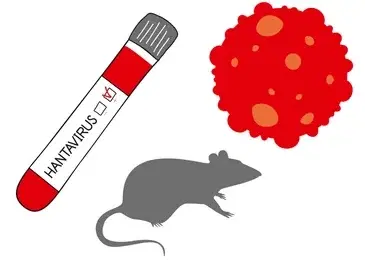
Hantavirus is a zoonotic disease typically transmitted to humans through contact with the waste or saliva of infected rodents. Given the virus’s high fatality rate—which can reach 50%—international authorities from the Netherlands, South Africa, and the United Kingdom are coordinating a rapid response to determine the exact source of exposure.
Investigations are focused on whether the infection originated from wildlife encounters during shore excursions in the South Atlantic or via contaminated surfaces within the vessel itself.
Despite the localized tragedy, the WHO has assessed the current risk to the general global population as low. Passengers currently on the vessel have been advised to remain in their cabins and maintain strict physical distancing protocols to prevent any further potential transmission.
Meanwhile, laboratory sequencing and metagenomics are ongoing to better understand the specific strain involved in this rare maritime outbreak.