
A worsening Ebola outbreak in the Democratic Republic of Congo has recorded more than 900 suspected infections, raising fresh concerns over the virus’ spread across the conflict-affected nation.
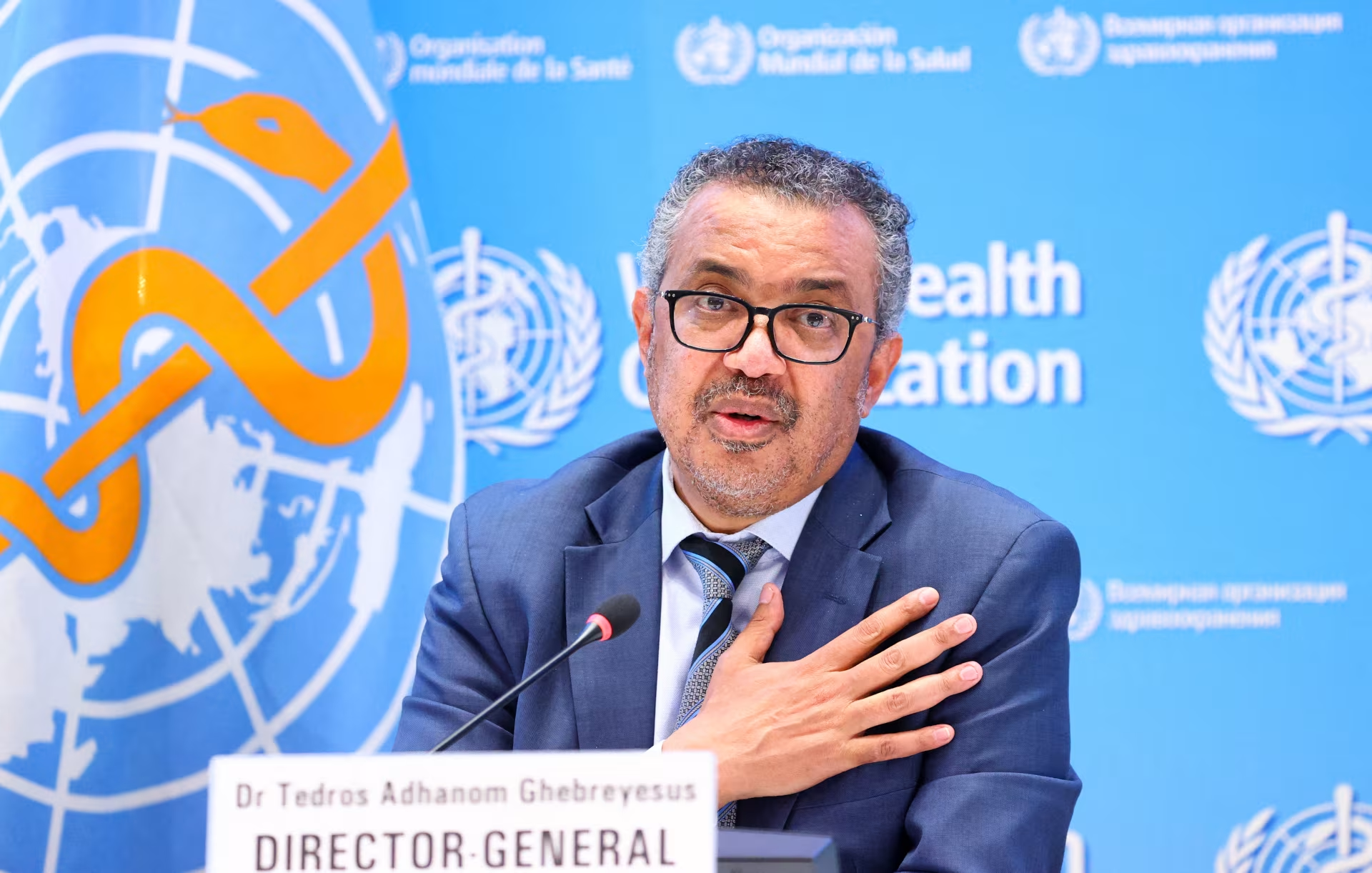
World Health Organization (WHO) Director-General, Tedros Adhanom Ghebreyesus, confirmed that intensified surveillance efforts have uncovered over 900 suspected cases, including 101 laboratory-confirmed infections.
The rapid escalation underscores the immense pressure facing health authorities just weeks after the government officially declared the outbreak on May 15.
Compounding the crisis is the identification of the rare Bundibugyo strain of the virus. Unlike more common variants, the Bundibugyo strain currently has no approved vaccine or specific treatment, severely complicating containment and medical response efforts in the affected communities.
Prior to the latest update, the DR Congo’s health ministry reported that the outbreak had already claimed 204 lives across three provinces, warning that numbers would likely rise as testing expands.
The response is further strained by the volatile environment in which the virus is spreading. The renewed outbreak is unfolding in regions already crippled by long-standing insecurity and complex humanitarian challenges.
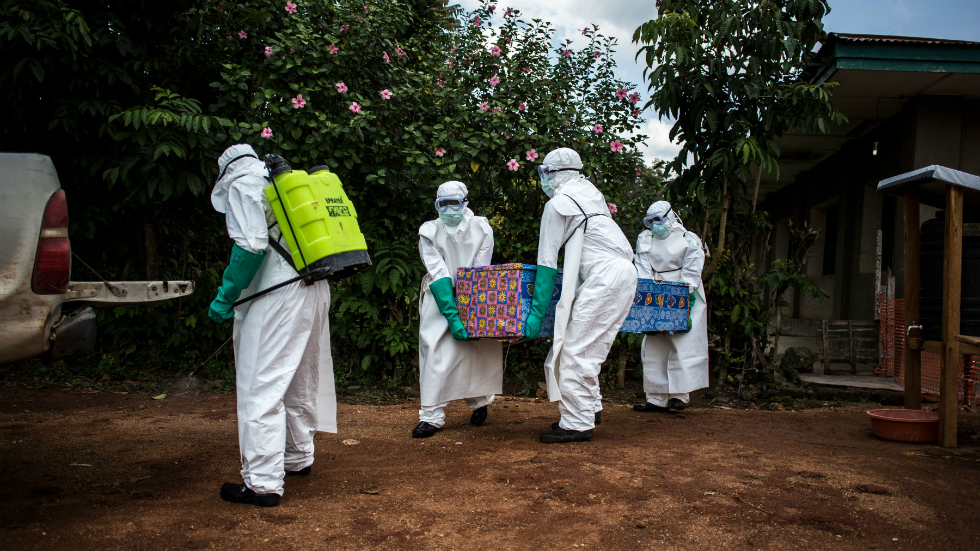
Health experts warn that active conflict and community displacement could severely hamper critical containment measures, including contact tracing, safe burials, and patient access to isolation clinics.
This latest surge adds a grim new chapter to the region’s history with the disease. Over the past five decades, Ebola outbreaks across Africa have claimed more than 15,000 lives.
As international and local medical teams deploy to the eastern provinces, the current crisis stands as a stark reminder of the virus’s status as one of the continent’s deadliest recurring public health threats.