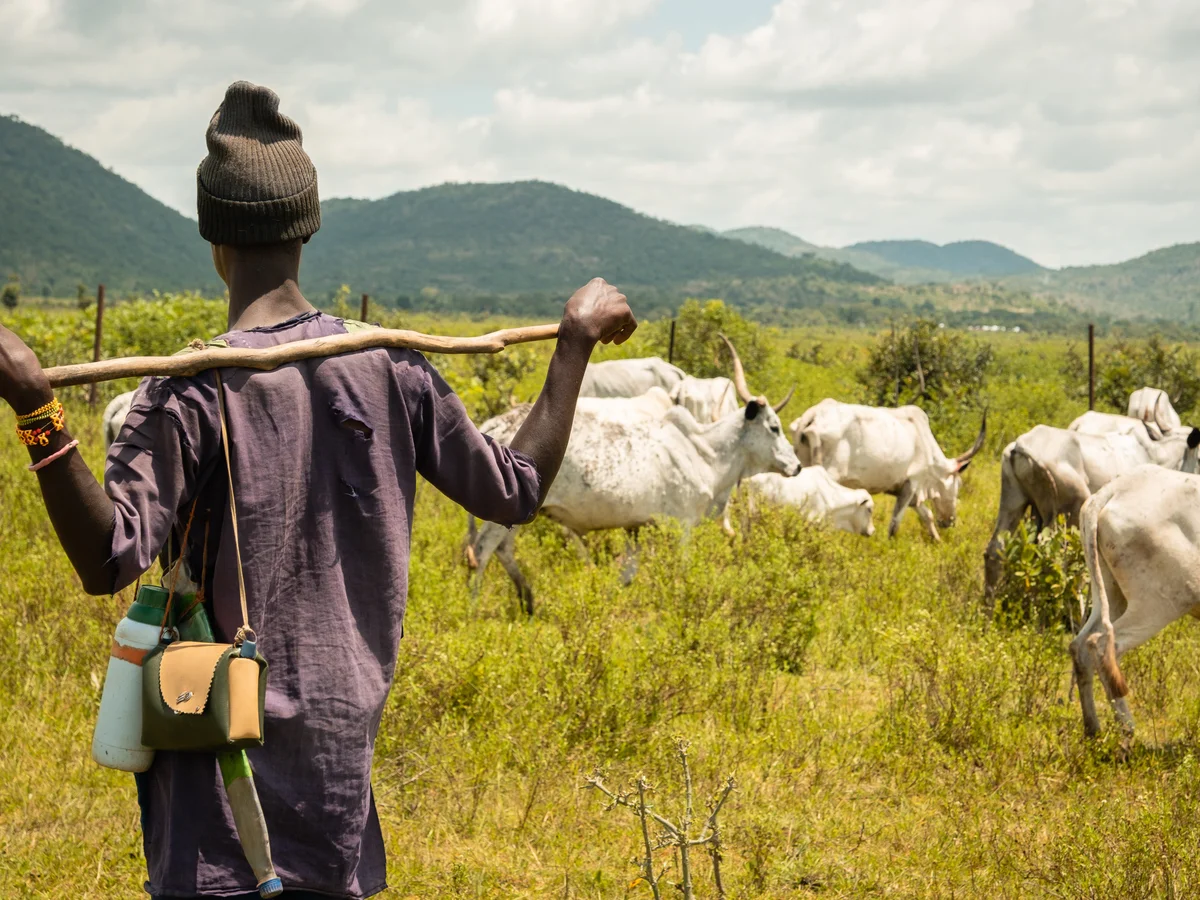
The Akwa Ibom State Government has been urged to provide urgent infrastructure support to help local farmers fence their farmlands.
This appeal aims to protect crops from destruction caused by roaming cattle and forms a critical part of ongoing efforts to strengthen food security across the state.
The call comes amid growing concerns over the non-implementation of the state’s Anti-Open Grazing Law, which was enacted in 2021 to curb persistent herder-farmer conflicts.
Critics point out a stark contrast in protection, noting that while ordinary local farmlands remain vulnerable, the government-backed Ibom Model Farm in Ikot Edibon, Nsit Ubium, continues to enjoy full security from such incursions.
Speaking as a guest on the XL Super Breakfast Show, farmer and development economist Comrade Iboro Ibara lamented the devastating impact of these unchecked cattle incursions.
He revealed that persistent attacks on farmlands by herders have severely discouraged local cassava production, ultimately forcing the state to rely heavily on imported garri to meet local demand.
These comments follow closely on the heels of Governor Umo Eno’s recent handover of the Ibom Model Farm’s management to the Akwa Ibom State University (AKSU).
The partnership is part of the administration’s broader strategy to boost food security, foster academic research, and promote agro-tourism within the region.
While congratulating the university on its new responsibility, Ibara urged AKSU’s management to thoroughly review the project’s original blueprint and actively engage relevant stakeholders to maximize its long-term impact.
Additionally, he called on security agencies to intensify their efforts to curb the activities of destructive herders and safeguard agricultural investments across Akwa Ibom State.