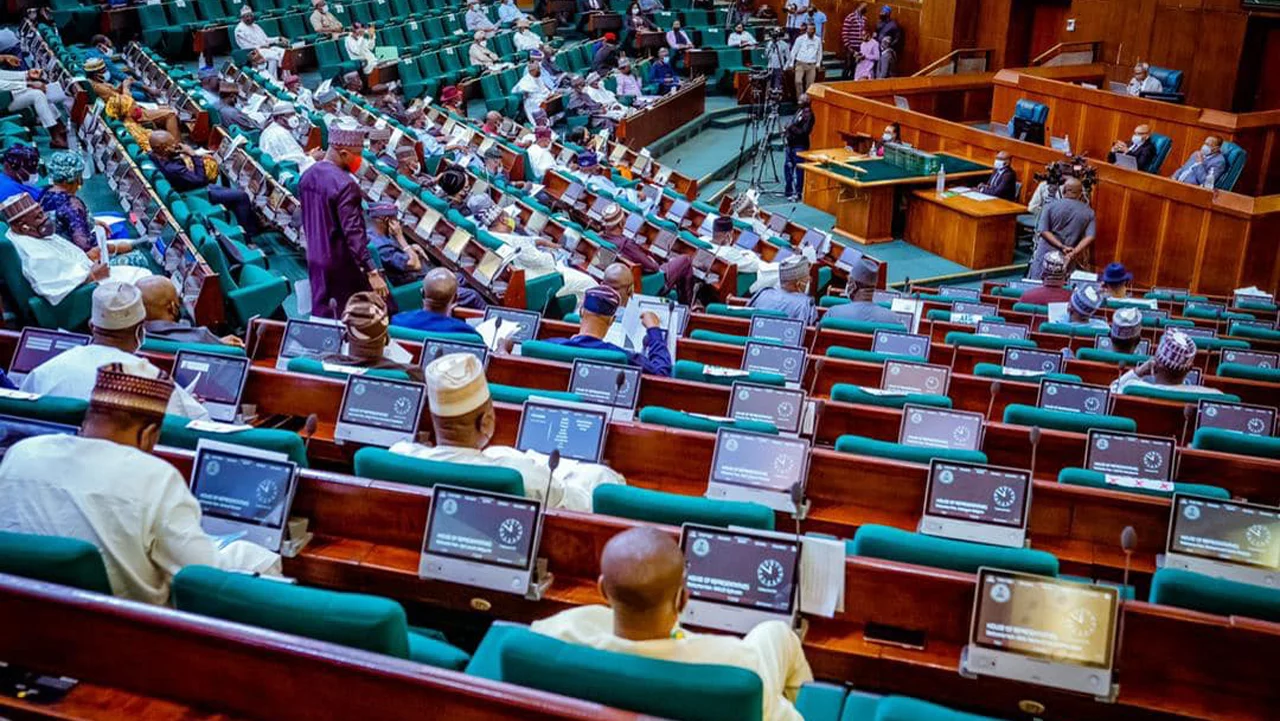
The House of Representatives is set to hold a crucial vote today on a constitutional alteration aimed at decentralizing the nation’s policing structure.
The landmark move, which seeks to amend the 1999 Constitution (as amended), is designed to establish a legal framework for state policing as a direct intervention against Nigeria’s escalating security crisis.
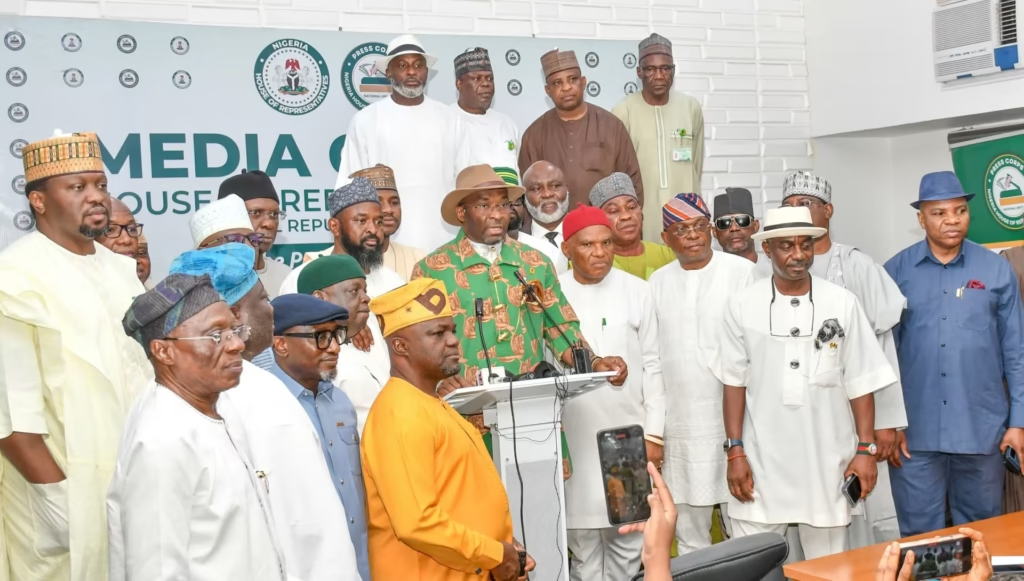
Deputy Speaker, Benjamin Kalu, announced the development in Abuja, emphasizing that the lower chamber has resolved to prioritize security-related legislation.
Kalu dismissed speculation that the bill was being undermined, asserting that there have been extensive consultations on the proposed changes.
He revealed that key stakeholders, including the executive arm of government, the Inspector General of Police, and the 36 state governors, have already voiced their support for the transition.
According to the Deputy Speaker, the decision to push for decentralization stems from the structural limitations of the current legal framework.
Kalu noted that Section 214 of the Constitution and other related provisions fail to provide the agility required to combat modern insecurity effectively.
He stressed that leaving the law in its current state would not yield the results Nigerians expect, making legislative intervention an absolute necessity.
“We are here to announce to Nigerians that hope is coming,” Kalu stated, confirming that the parliament is marching forward with the vote despite external pressures.
He reiterated that security remains the primary purpose of government and urged all lawmakers to be present in the chamber to demonstrate a united front.
The legislative tool is viewed as a vital mechanism to bridge existing gaps and ensure faster response times to criminal incidents across the country.
Looking ahead, the House expressed optimism for a swift legislative process beyond the National Assembly. Following the anticipated passage of the bill, the amendment will be transmitted to the states.
Given the supportive stance of the 36 state governors, the leadership expects local Houses of Assembly to expedite ratification, paving the way for final transmission to President Bola Tinubu for his assent.