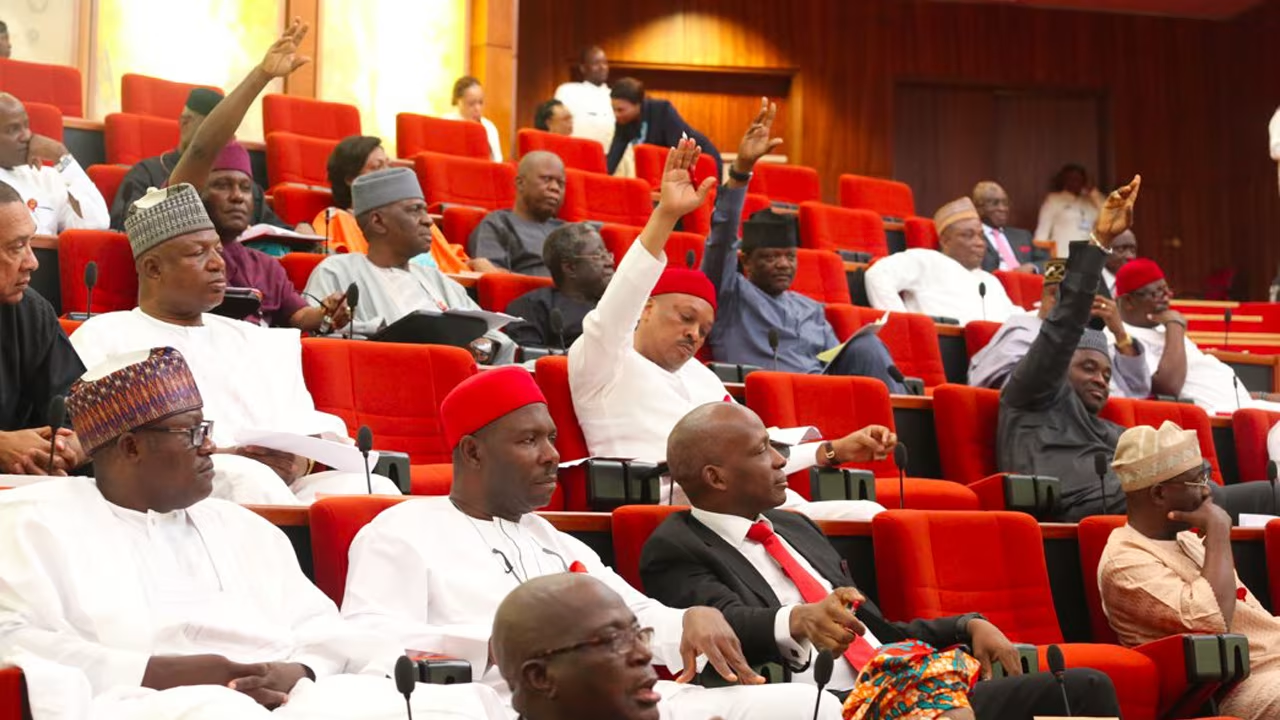
The Nigerian Senate has rescinded several controversial amendments to its Standing Orders, citing potential “constitutional inconsistencies.” Senate Leader, Opeyemi Bamidele, moved for the recommittal of the affected provisions, specifically targeting Orders 2(2) and 3(1) which were introduced just days earlier.
The reversal comes after leadership acknowledged that the previous changes could create “unintended tensions” with the 1999 Constitution, particularly regarding the sequence of the inauguration and leadership elections.
The primary point of contention involved a rule that would have barred senators-elect from voting for the Senate President and Deputy President until after taking their Oaths of Office.
Bamidele clarified that under Section 52 of the Constitution, the election of presiding officers must traditionally occur under the supervision of the Clerk of the National Assembly before the formal swearing-in of members.
Senate President, Godswill Akpabio, described the correction as a “straightforward” move to ensure the upper chamber remains in strict conformity with the nation’s supreme law.
Despite the swift reversal, the session was marked by sharp critiques regarding the Senate’s legislative process. Senator Adams Oshiomhole cautioned his colleagues against “youthful exuberance” and urged for wider consultation and robust debate before passing future amendments.
Oshiomhole emphasized that a more inclusive process would prevent the need for such immediate U-turns, while Bamidele countered by calling for an end to the “drama” that had characterized previous procedural clashes, urging lawmakers to use substantive motions rather than public floor disputes.
Beyond the constitutional corrections, the Senate finalized several other significant changes to its internal operations.
These include a new eligibility requirement for presiding officers, who must now have served at least two terms totaling eight years.
The chamber also approved adjusted sitting hours, revised committee representation guidelines across geopolitical zones, and the creation of three new standing committees: Livestock Development, Reparations and Repatriations, and Regional Development Commissions.