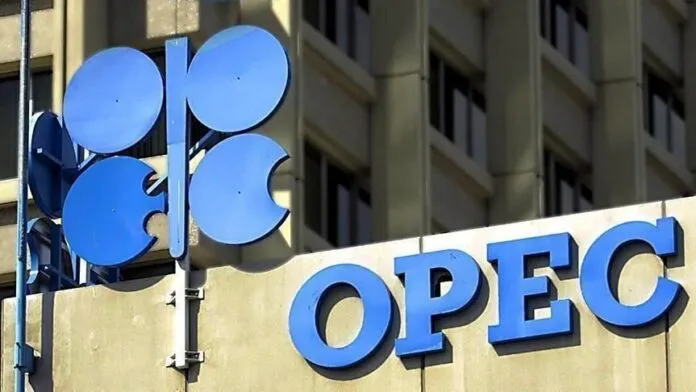
The United Arab Emirates (UAE) has officially announced its withdrawal from the Organization of Petroleum Exporting Countries (OPEC) and the wider OPEC+ alliance, a move set to take effect this Friday, May 1.
In a statement released, the UAE Energy Ministry cited a comprehensive review of national production capacity and a commitment to meeting “pressing market needs” as the primary drivers for the exit.
This departure comes at a volatile moment for the global energy sector, following the significant disruptions to production and distribution caused by the ongoing U.S.-Israel conflict with Iran and the subsequent struggle for control over the strategic Strait of Hormuz.
The exit of one of OPEC’s most influential members—previously producing approximately 3.5 million barrels per day—threatens to destabilize global crude prices. Experts warn that the UAE’s significant spare capacity allows it to ramp up output outside of traditional quotas, potentially flooding the market and driving prices downward.
For Nigeria, whose national budget and foreign exchange reserves remain tethered to the performance of crude oil exports, this shift represents a direct threat to economic stability and fiscal planning.
Energy policy analyst, Ayodele Oni, a partner at Bloomfield Law Practice, highlighted that the UAE’s new independence will likely trigger intense competitive pressure.
Since both nations export similar crude grades to overlapping markets in Asia, a more aggressive production strategy from the UAE could directly undercut Nigeria’s market share.
Oni noted that while the move signals a period of high price volatility, it also leaves Nigeria in a precarious position where it must defend its revenue streams against a sudden influx of uncoordinated global supply.
Despite the risks, some analysts suggest the fractured alliance could offer Nigeria tactical leverage. The situation may present an opportunity for Nigeria to negotiate higher production quotas within the remaining OPEC bloc or to quietly expand its own output, provided the country can address persistent infrastructure and security challenges.
However, the immediate outlook remains one of uncertainty, as the departure of a major producer fundamentally alters the power dynamics of the global oil market and places Nigeria’s primary revenue source at the mercy of new, competitive forces.